
Galway Races Betting Guide — Ireland's Biggest Festival Week
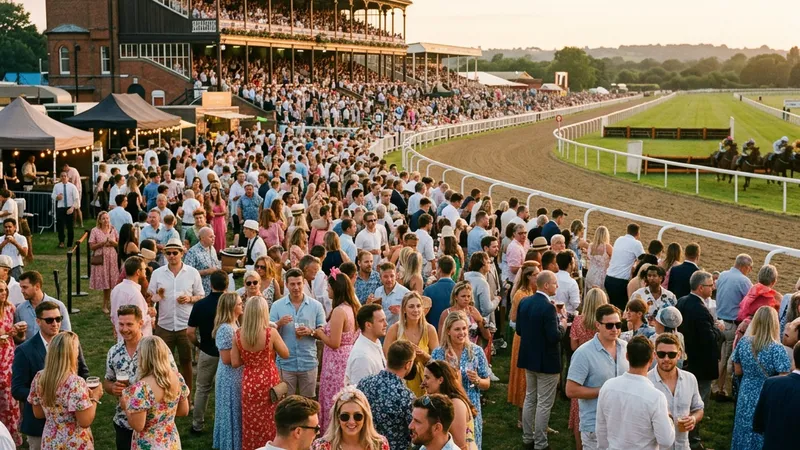
If Cheltenham is the spring obsession, Galway is the summer one — and for sheer volume of Irish betting, nothing else comes close. Seven days at Ballybrit at the end of July, more than 150,000 through the gates, and a card every evening that the whole country has an interest in. This is your guide to betting the festival that stops Ireland for a week.
The Shape of the Week
The 2026 festival runs Monday 27 July to Sunday 2 August. It builds through the week to two feature days: the Galway Plate on Wednesday and the Galway Hurdle plus Ladies Day on Thursday. Monday and Tuesday are the warm-up, the midweek is the peak, and the weekend winds down with family days. Unlike a pure jumps or flat festival, Galway is a mix — chases, hurdles and flat races across the week — which is part of what makes it such a betting carnival.
The Ballybrit Track and the Course Specialists
Ballybrit is a track with a personality, and it rewards punters who respect it. It is a tight, right-handed, undulating circuit with a sharp home turn and a stiff uphill finish — nothing like the galloping flat tracks of the Curragh — and horses that handle its quirks tend to handle them again. That is why course-and-distance form is gold dust at Galway: a horse that has already run well at the track is worth far more than its bare figures suggest, while one that has never coped with it can bounce off the fast summer ground. It is also why a handful of yards dominate the week. The powerful jumping operations of Willie Mullins and Gordon Elliott target the festival every year, and on the flat Dermot Weld's Galway record is the stuff of legend. When a course specialist's string turns up mob-handed, it is a signal the stable fancies its week — so note which trainers are arriving in form in late July, and lean on yards with a proven Ballybrit record over fashionable names without one.
The Feature Races
The Galway Plate, run on the Wednesday, is the festival's centrepiece — a valuable, hugely competitive handicap chase that draws a big field and even bigger betting. The Galway Hurdle on the Thursday is its equal on the flat-out-handicap front, another massive-field puzzle that produces some of the biggest each-way returns of the Irish year. These are the two races to plan for; the rest of the week is the supporting cast.
How to Bet the Big Handicaps
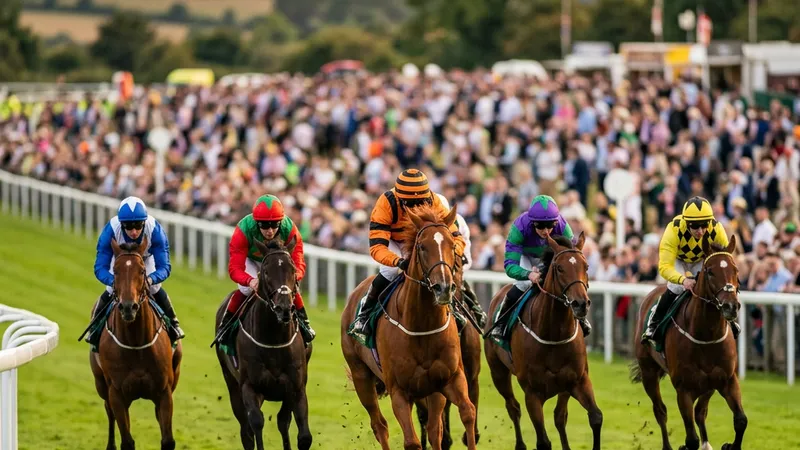
Galway's feature races are huge-field handicaps, which means the same rule as always applies, only more so: each-way is the play, and place terms decide it. With twenty or more runners, the Irish books compete hard on extra places — paying five, six, sometimes more — so the single most valuable thing you can do before the Plate or the Hurdle is compare place terms across your accounts. Take best odds guaranteed in the morning, and don't be afraid of a value outsider each-way; these races are won by horses few people fancied.
The Summer Going at Ballybrit
Summer ground at Galway is usually on the quick side — good, or good to yielding — but late July in the west of Ireland can serve up anything, and a wet spell turns the big handicaps on their head. The track waters to avoid genuinely firm ground, so the official going is worth checking before every race rather than just on the Monday. A drop of rain that softens the surface suits the mudlarks and can scupper a short-priced favourite that wants it fast — exactly the kind of swing that throws up the huge-priced each-way winners Galway is famous for. Weight a horse's record on the actual ground above its headline form, and keep half an eye on the forecast all week.
Tote Pools and the Placepot
Galway is made for pool betting. Across seven days the Tote pools swell, and the festival Placepot — find a placed horse in each of the first six races — is the bet half the enclosure has running. With the big fields Galway throws up, a couple of euro on a Placepot can return a small fortune on an evening the favourites come unstuck, and it keeps you live across a whole card for the price of a pint. The Win and Place pools, the Exacta and the Trifecta all play their part, and on a longshot the crowd ignored the Tote dividend can dwarf the bookmakers' price. Treat the pools as the low-stake thread running through your festival, not the main event.
The Best Books for Galway
The Irish heavyweights come into their own at Galway. Paddy Power and BoyleSports lead on extra places and festival concessions, and both move quickly on the big handicaps. Betfair is the one for the Exchange — useful when you fancy laying a short-priced favourite in a race that throws up upsets every year. Hold two or three accounts and take the best place terms on every each-way bet.
Festival Concessions and the Sponsored Races
Like Cheltenham, Galway brings the Irish books' concessions out in force. Extra-place offers on the big handicaps, money-back specials and faller insurance all appear across the week — BoyleSports, a long-standing sponsor of races at the festival, and Paddy Power compete hardest for the Galway punter. The value play never changes: settle on your each-way bet first, then find the book paying the most places and stack best odds guaranteed on top. Never let a flashy concession talk you into a bet you were not going to make — but on a bet you were, the extra place or the money-back is free value worth shopping around for.
Beyond the Features: the Flat Cards and Ladies Day
The Plate and the Hurdle grab the headlines, but Galway is a seven-day mixed festival and there is value away from the two big handicaps. The Thursday is Ladies Day, the social peak of the week, when the crowds and the betting turnover are at their heaviest — and heavy, casual money can leave value for the punter who has done the form. The flat cards through the week, and the staying handicaps on the Friday and weekend, are quieter markets where a course specialist or a well-handicapped improver can be backed at a fairer price than in the Wednesday and Thursday cauldrons. The amateur-rider and qualifier heats dotted through the festival are exactly the trappy, wide-open races that throw up a big-priced winner for the punter who has read the form, and the on-course betting ring is part of the Ballybrit experience even if the same discipline applies whether you bet there or on your phone. Spread your attention across the week rather than emptying the budget on the two feature days.
For the bet types behind all this — win, each-way and the festival exotics — start with our Irish horse racing betting guide, and follow weekly racing previews on our horse racing hub.
Galway is a long week designed to keep you betting from Monday to Sunday. Set a festival budget on the first day and divide it across the seven — don't spend Thursday's money on Monday. 18+. If gambling stops being fun, GamblingCare.ie offers free, confidential support on 1800 936 725.
Frequently Asked Questions — Galway Races Betting
When are the Galway Races 2026?
The Galway Races Summer Festival runs for seven days from Monday 27 July to Sunday 2 August 2026 at Ballybrit. The feature days are the Galway Plate on Wednesday 29 July and the Galway Hurdle and Ladies Day on Thursday 30 July. It is Ireland's biggest domestic betting week.
What are the big races at Galway?
The two highlights are the Galway Plate, a valuable and fiercely competitive handicap chase on the Wednesday, and the Galway Hurdle on the Thursday — both huge-field handicaps that draw the country's biggest each-way betting. Ladies Day on the Thursday is the social peak of the week.
How should I bet the big Galway handicaps?
Each-way is the play in the big-field handicaps. With 20-plus runners, books compete by paying extra places — five, six or more — so compare place terms across your accounts before betting. Take best odds guaranteed on the morning of the race so you keep the price if your horse drifts.
See our complete horse racing betting guide for Ireland — including exotic bets explained, venue guides, and our top rated licensed bookmakers.
See our top-rated Irish racing bookmakers →18+ only. Please gamble responsibly.
Free help available: gamblingcare.ie | Helpline: 1800 936 725
Related Posts